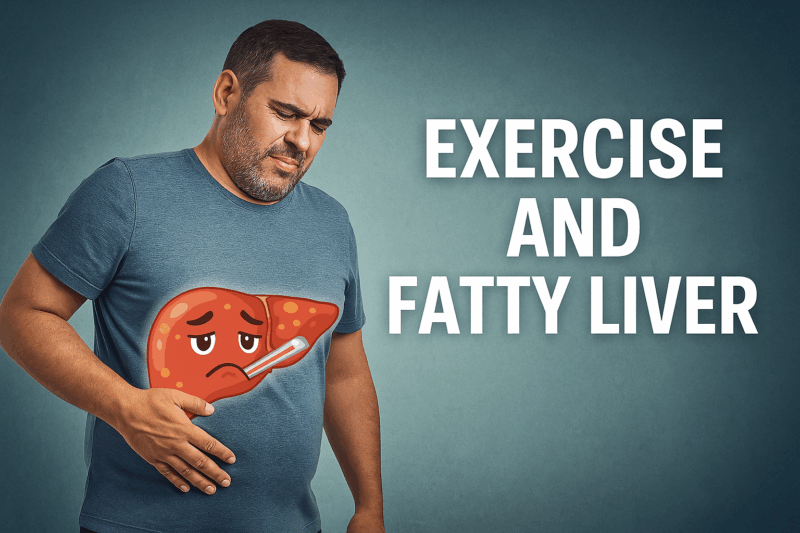
Discover how exercise can reverse fatty liver disease. Learn symptoms, grading, progression, and the best pFatty liver disease is one of the fastest-growing health threats in the world. More than 25% of adults now have it—often without knowing. The danger? It develops quietly, damaging your liver over time until symptoms finally appear. By then, the damage may be severe.
The encouraging news is simple but powerful: fatty liver disease is preventable. In many cases, it’s reversible. And the most effective treatment isn’t a drug—it’s exercise.
In this guide, you’ll learn:
- What fatty liver disease is and how it progresses
- Symptoms and risk factors
- The science behind exercise as treatment
- How much and what type of activity you need
- Additional diet and lifestyle changes for faster healing
Let’s start with the basics.
What Is Fatty Liver Disease?
Fatty liver disease happens when more than 5–10% of your liver is made up of fat. There are two main types:
- Non-Alcoholic Fatty Liver Disease (NAFLD) – Linked to diet, weight, and lifestyle. Not caused by alcohol.
- Alcoholic Fatty Liver Disease (AFLD) – Caused by heavy alcohol use.
Our focus here is NAFLD, because it’s becoming the leading cause of chronic liver disease worldwide. Rising obesity rates and sedentary lifestyles are fueling this surge.
Stages of Fatty Liver Disease
This condition develops gradually. Each stage represents a deeper level of damage.
1. Simple Fatty Liver (Steatosis)
- Fat builds up in the liver.
- No inflammation yet.
- Usually symptom-free.
2. Non-Alcoholic Steatohepatitis (NASH)
- Fat and inflammation appear together.
- Liver cells begin to get injured.
3. Fibrosis
- Scar tissue starts replacing healthy cells.
- The liver still works, but less efficiently.
4. Cirrhosis
- Severe scarring occurs.
- Liver function drops sharply.
- Risk of liver failure or cancer increases.
Grading Fatty Liver
Doctors may grade the amount of fat in your liver:
- Grade 0: No fat.
- Grade 1 (Mild): Fat in less than 33% of liver cells.
- Grade 2 (Moderate): Fat in 33–66% of cells.
- Grade 3 (Severe): Fat in more than 66% of cells.
Symptoms to Watch For
Fatty liver disease is often silent. Many people discover it only during routine tests. Still, there are signs you shouldn’t ignore:
- Ongoing fatigue or weakness
- Pain in the upper right abdomen
- Unexplained weight loss
- Yellowing of skin or eyes (jaundice)
- Swelling in legs or belly
- Trouble concentrating
If you have risk factors like obesity, diabetes, or high cholesterol, get screened even without symptoms.
Why Exercise Is the Best Treatment
Lifestyle changes are the gold standard for reversing fatty liver disease. At the heart of those changes is movement.
A 2024 study in Frontiers in Physiology found that aerobic exercise significantly reduced liver fat, inflammation, and fibrosis risk—even in people who didn’t lose weight.
Benefits of Exercise for Fatty Liver
- Reduces liver fat by up to 30%
- Normalizes liver enzymes (AST, ALT)
- Improves insulin sensitivity
- Lowers inflammation
- Prevents progression to NASH or cirrhosis
How Much Exercise You Need
The good news? You don’t need extreme workouts to see benefits.
- 150–300 minutes per week of moderate aerobic activity
- 2–3 days per week of strength training
This could be brisk walking, cycling, swimming, or resistance workouts.
Best Workouts for Liver Health
1. Brisk Walking
- Low-impact
- Accessible for most people
- Helps burn calories and improve insulin response
2. Cycling
- Boosts heart health
- Can be done outdoors or on a stationary bike
3. Swimming
- Gentle on joints
- Full-body workout
4. Strength Training
- Builds muscle mass
- Increases metabolism
- Supports weight management
Diet: Your Second Line of Defense
Exercise works best when paired with a healthy eating plan. The Mediterranean diet is one of the most effective for fatty liver recovery.
Key foods to focus on:
- Leafy greens and colorful vegetables
- Fruits like berries and citrus
- Whole grains such as quinoa and oats
- Nuts and seeds for healthy fats
- Olive oil instead of butter
- Fatty fish like salmon or sardines
- Lean proteins like chicken, turkey, and legumes
Habits That Speed Recovery
- Avoid processed sugars and refined carbs
- Limit or avoid alcohol
- Stay hydrated
- Manage other conditions like blood pressure and cholesterol
- Get 7–9 hours of quality sleep each night
Prevention Starts Now
Even if you don’t have fatty liver disease, prevention is key. Adding daily movement and eating a balanced diet reduces your risk dramatically.
- Walk after meals to help control blood sugar
- Swap sugary drinks for water or herbal tea
- Fill half your plate with vegetables at every meal
- Choose active hobbies like hiking or dancing
The Power of Consistency
Fatty liver disease can feel overwhelming. But it’s one of the few chronic conditions that can be reversed with simple, consistent habits. Your liver can regenerate.
Every walk, every workout, every healthy meal counts. You’re not just treating your liver—you’re protecting your future.
Final Thoughts
Fatty liver disease is common, but it doesn’t have to define your health. Exercise is your most powerful medicine. Diet is your strongest ally. Together, they can heal your liver and restore your energy.
Don’t wait for symptoms. Start now. Move more. Eat better. Protect your liver for life.


Leave a Reply