A Diet That Heals Your Liver: How Mediterranean Eating Can Reverse Fatty Liver
Fatty liver disease—especially NAFLD (Non-Alcoholic Fatty Liver Disease)—is far more common than most people realize. In fact, it affects roughly one in three adults, no matter their weight. It often develops quietly. Fat slowly builds up in your liver cells. Over time, this can lead to inflammation, scarring (fibrosis), and in some cases, permanent damage called cirrhosis.
The good news? There’s strong evidence that what you eat can heal your liver. Research shows that the Mediterranean diet is one of the most effective eating patterns for reducing liver fat, lowering inflammation, and even reversing damage.
This guide breaks down the science in plain language. You’ll learn:
- How the Mediterranean diet works for liver health
- The best foods to eat (and which to avoid)
- Portion and fullness strategies so you don’t overeat
- A daily menu example you can start today
- Long-term tips for keeping your liver healthy
Why the Mediterranean Diet Helps Your Liver
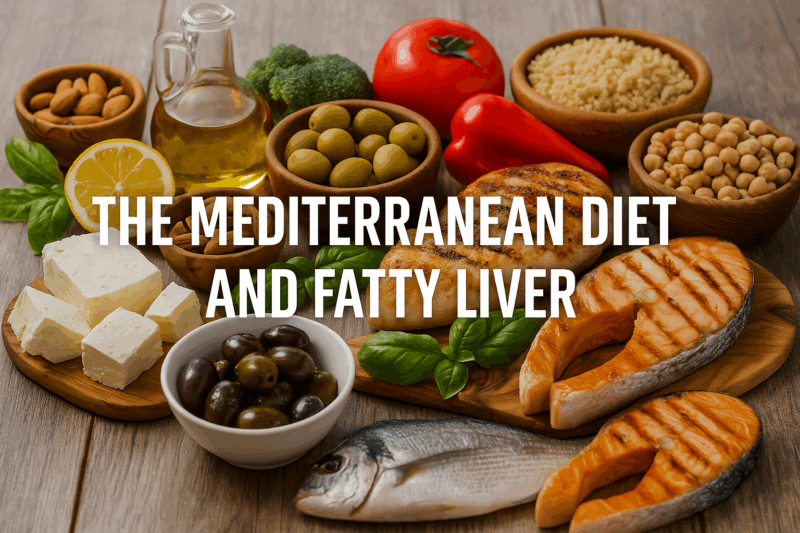
The Mediterranean diet is based on traditional eating habits from countries like Greece, Italy, and Spain. It’s rich in fruits, vegetables, legumes, whole grains, nuts, seeds, olive oil, and fish—while limiting processed foods, added sugars, and red meat.
It’s not just about what’s included—it’s about how these foods work together to fight liver disease.
What the Research Shows
- A 2019 meta-analysis in Clinical Nutrition found that combining the Mediterranean diet with calorie control significantly reduced liver fat and inflammation in people with NAFLD.
- A large Iranian study found that each increase in Mediterranean diet score lowered the risk of advanced liver scarring by about 16%.
- A study in the journal Gut found that a “green” Mediterranean diet, with extra plant-based antioxidants, cut NAFLD rates in half compared to standard diet advice.
Even without weight loss, people following this eating pattern saw drops in inflammation markers. That means it can help your liver even if the scale doesn’t change right away.
Key Foods That Heal Your Liver
The Mediterranean diet works because it’s naturally rich in nutrients that fight fat buildup, calm inflammation, and support healthy metabolism.
Healthy Fats from Olive Oil and Nuts
- Extra virgin olive oil is packed with monounsaturated fats and polyphenols. These lower liver enzymes and reduce oxidative stress.
- Nuts like walnuts add vitamin E and omega-3s, which are both anti-inflammatory.
Omega-3s from Fatty Fish
- Salmon, sardines, and mackerel are rich in EPA and DHA.
- These omega-3s boost fat metabolism, help clear liver fat, and improve cholesterol levels.
Fiber-Rich Fruits, Vegetables, and Whole Grains
- High fiber foods reduce calorie density, meaning you feel full on fewer calories.
- Fiber also feeds healthy gut bacteria, which benefits your liver.
Antioxidant-Rich Herbs and Produce
- Berries, leafy greens, and herbs provide polyphenols.
- These antioxidants calm inflammation and may slow liver scarring.
Moderate Dairy and Fermented Foods
- Yogurt, kefir, and some cheeses support the gut-liver connection.
- Fermented foods can improve digestion and reduce harmful gut bacteria linked to liver disease.
Foods to Limit or Avoid
- Sugar-sweetened drinks (soda, energy drinks)
- Refined carbs like white bread and pastries
- Processed meats and large amounts of red meat
Portion and Fullness Strategies
Even healthy foods can cause weight gain if you eat too much. And while weight loss isn’t the only factor, losing just 7–10% of your weight can significantly reduce liver fat.
Here’s how to stay full while eating fewer calories:
- Start meals with a salad or broth-based soup. This can reduce total calorie intake by about 10–12%.
- Fill half your plate with vegetables. Steamed, roasted, grilled, or raw—they all work.
- Use smaller plates and bowls. This tricks your brain into thinking you’re eating more.
- Chew slowly and put your fork down between bites. Give your body time to register fullness.
A Sample Mediterranean Plate
Breakfast: Oatmeal topped with berries, walnuts, cinnamon, and a drizzle of olive oil.
Snack: Greek yogurt with chopped apple and a few walnuts.
Lunch: Quinoa salad with chickpeas, chopped veggies, and an olive oil–lemon dressing.
Snack: Veggie sticks with hummus.
Dinner: Grilled salmon, a large salad, whole-grain bread, and a side of lentils.
Optional: A small glass of red wine with dinner (if your doctor says it’s safe).
Why This Diet Works for Fatty Liver
The Mediterranean diet helps in several ways:
- Weight management: Supports steady, sustainable fat loss.
- Better insulin sensitivity: Fiber, healthy fats, and whole grains help keep blood sugar stable.
- Reduced inflammation: Antioxidants from plants and omega-3 fats calm chronic inflammation.
- Improved gut health: Fermented foods and fiber feed healthy gut bacteria, which lowers toxin load to the liver.
- Slower fibrosis: Higher adherence has been linked to a lower risk of liver scarring.
More Volume, Fewer Calories
Want to eat more food without overeating calories? Try these hacks:
- Replace half your pasta with zucchini noodles.
- Double the veggies in stir fries while halving the rice.
- Mix cauliflower rice into regular rice to bulk it up.
- Serve a big leafy salad before your main course.
- Use herbs, spices, lemon, and vinegar for flavor instead of heavy sauces.
A Full-Day Example Menu
Breakfast: Vegetable omelet with spinach, mushrooms, and peppers, plus a tomato salad on the side.
Snack: A handful of almonds and a small pear.
Lunch: Lentil and vegetable soup followed by a quinoa bowl with greens.
Snack: Carrot and cucumber sticks with hummus.
Dinner: Ratatouille vegetable stew, a small portion of roasted chicken, and a side of whole-grain bread.
Dessert: Fresh berries with a dollop of plain Greek yogurt.
Results You Can Expect
- After 3 months: Noticeable drops in liver enzyme levels and inflammation markers.
- After 6 months: Imaging may show 30–50% less liver fat.
- After 12 months: Improved fibrosis scores, better weight stability, and better overall health markers.
Practical Tips for Long-Term Success
- Meal prep: Keep chopped vegetables and cooked grains in your fridge for quick meals.
- Shop smart: Fill your cart with produce, fish, olive oil, legumes, and nuts.
- Stay active: Combine the diet with regular exercise for faster improvement.
- Track your meals: Apps can help you stay consistent without guessing.
- Be patient: Liver healing is gradual. Focus on steady progress, not perfection.
The Bottom Line
Fatty liver can be a silent threat, but it’s not irreversible. The Mediterranean diet offers a proven, delicious, and sustainable way to protect and heal your liver.
You don’t have to overhaul your eating habits overnight. Start by adding one Mediterranean-style meal per day. Swap butter for olive oil. Eat more fish and vegetables. Cut back on sugary drinks.
Each change adds up. Over time, your liver—and your overall health—will thank you.
If you want, I can now turn this into an SEO-optimized WordPress version with keyword-rich headings, meta description, and internal linking so it ranks well and scores high on Yoast.
Do you want me to do that next?
Ask ChatGPTTools


Leave a Reply